
E-commerce has grown rapidly in the UK, with customers expecting fast shipping, simple returns, and flexible refund policies. However, the rise of “free and easy returns” has also increased operational challenges for businesses. Ecommerce returns affect logistics, profit margins, customer satisfaction, and long-term brand loyalty. For some categories, the return rate is significantly high. For example, the footwear ecommerce return rate is often between 25% to 40% due to sizing issues, while the return rate for ecommerce electronics can vary widely depending on warranty and condition.
This makes effective ecommerce returns management essential for UK brands that want to stay competitive while maintaining profitability.
In this guide, we’ll break down why returns happen, how to reduce return rates, and which ecommerce returns solutions can streamline your process.
Why Ecommerce Returns Happen
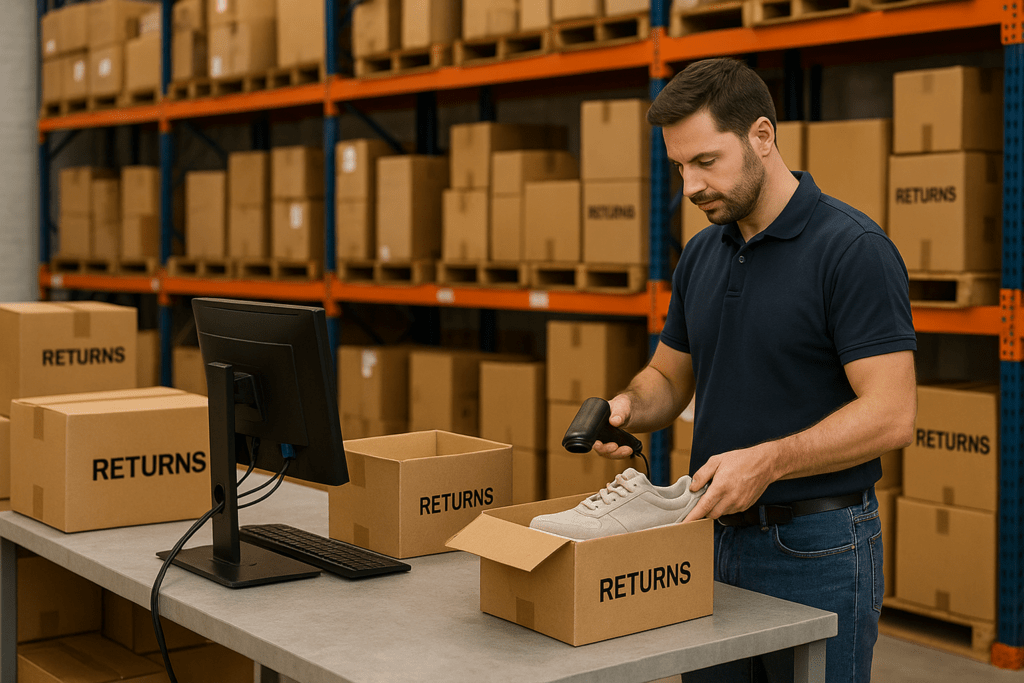
Returns in ecommerce occur for multiple reasons:
- Incorrect size, colour, or fit (common in fashion and footwear)
- Item not matching description or product images
- Product damaged during delivery
- Customer changed their mind
- Technical or performance issues (electronics, gadgets, accessories)
With rising customer expectations, some brands now use free returns as a selling point. However, this comes with a cost. For example, ASOS returns charge was introduced because the brand needed to protect margins from excessive and repeated returns.
So the question many brands now ask is:
Are returns damaging ecommerce?
The answer is yes—if not managed properly. Returns can impact warehousing costs, shipping expenses, restocking labour, and disposal or refurbishment of damaged goods.
How to Calculate Return Rate in Ecommerce
Understanding your return rate is the first step to improving it.
Return Rate (%) = (Number of Returned Orders ÷ Total Orders) × 100
Example:
If your store shipped 10,000 orders and 1,800 were returned, your return rate is:
(1,800 ÷ 10,000) × 100 = 18%
Tracking return reasons in categories provides deeper insights. For instance:
| Category | Typical Return Rate (UK) |
|---|---|
| Footwear | 25% – 40% |
| Fashion & Apparel | 20% – 45% |
| Electronics | 5% – 12% |
| Second hand / refurbished items | Lower return rate but higher inspection cost |
For items like second hand used mobile, returns may be driven by quality grade transparency (e.g., A+ Refurbished vs. Used Grade C).
How to Reduce Returns in Ecommerce
Reducing returns is not just about strict policies. It involves improving product communication, quality checks, and customer experience.
1. Provide Clear and Accurate Product Information
- Offer detailed size guides, measurements, and comparison charts
- Include high-resolution photos from multiple angles
- Add videos or try-on model references where applicable
This reduces sizing-related returns in apparel and footwear.
2. Improve Packaging and Quality Checks
A product damaged during shipping is preventable.
Use more protective packaging and inspect items before dispatch.
3. Offer Product Reviews and Customer Feedback
Reviews reduce uncertainty.
Customers trust other buyers more than product descriptions alone.
4. Use Technology for Fit and Size Assistance
Brands use virtual try-on apps or AI-based fit suggestions to minimize “wrong size” purchases.
5. Make Return Reasons Part of Data-Driven Decisions
Return reason tracking can reveal patterns:
- Same product repeatedly returned?
- Specific product images misleading customers?
- Supplier quality inconsistent?
Use return data to refine product selection and listing accuracy.
For further reading:
Ecommerce Fulfilment: How It Works and Why Brands Outsource
How to Manage Ecommerce Returns Effectively
Strong ecommerce returns solutions can help manage returned items and preserve resale value.
1. Use a Centralized Returns Platform
Returns portals streamline the process, allowing customers to:
- Create return labels
- Track their returns
- Select refund or exchange
2. Work With a Professional Returns Handling Partner
Outsourcing returns to a fulfilment partner reduces operational pressure.
A specialist like FNPrep can:
- Receive returned items
- Inspect and grade their condition
- Repack, refurbish, or dispose as needed
- Restock them efficiently to avoid inventory delays
Learn more about fulfilment services:
Ecommerce Fulfilment Services UK – FNPrep
3. Create a Clear, Fair, and Transparent Returns Policy
A good policy:
- Builds trust
- Reduces support queries
- Sets realistic customer expectations
Keep the policy visible on product pages, checkout pages, and order emails.
Returns in Ecommerce Electronics: Special Considerations
The return rate for ecommerce electronics is generally lower because testing and inspection requirements discourage frequent returns. However:
- Faulty items require troubleshooting workflows
- Device grading is essential for refurbished or second hand used mobile sales
- Warranty and after-sales support must be clear
Offering repair or exchange over refund can reduce financial loss.
Are Returns Damaging Ecommerce?
Yes, if unmanaged.
But when structured well, returns can become an opportunity to:
- Improve customer loyalty
- Increase repeat purchases
- Enhance long-term trust
A fair return policy builds confidence—customers buy more when they know they can return items easily.
FAQs
1. What is ecommerce returns management?
It is the structured process of receiving, inspecting, restocking, exchanging, or refunding products that customers send back.
2. How can UK brands reduce ecommerce return rates?
By improving product accuracy, using better packaging, analyzing return data, and offering size guidance tools.
3. Are free returns still necessary?
For many brands, yes—especially in apparel and footwear. However, some brands have begun reducing free returns to protect margins.
4. Should I outsource ecommerce returns?
If returns are affecting warehouse space or labour productivity, outsourcing is a cost-effective solution.
Conclusion
Managing returns effectively is critical for sustainable growth in UK e-commerce.
With strong processes, clear communication, and the right fulfilment partner, brands can reduce return rates, control costs, and maintain strong customer satisfaction.
If you want to streamline your ecommerce returns process, FNPrep can help with inspections, repackaging, restocking, refurbishment, and full UK warehouse returns management.